Why Everyone is Buying the Rog Xbox Ally X (Full Review)
I've been using the Rog Xbox Ally X for several months now, and I wanted to put together a thorough look at why so many people — including me — have warmed up to this handheld. I bought mine shortly after launch, put it through daily gaming, cloud streaming, and PC remote-play sessions, and used it for both short commutes and long evenings at home. What I found was a device that gets a lot right for different kinds of gamers, with a few rough edges that matter depending on how you plan to use it.
Introduction: What the Rog Xbox Ally X Is (and What I Expected)
When I first heard about the Rog Xbox Ally X, I expected a hybrid: the handheld performance of current high-end PC handhelds with deeper Xbox ecosystem integration. In practice, the Ally X feels like a more polished, Xbox-flavored take on the modern Windows gaming handheld. It runs PC games natively, can stream from a console or cloud service, and carries design cues that clearly borrow from Xbox ergonomics. After months of gaming on it — from intense AAA sessions to quick indie hops and cloud-only titles — I can say the concept works really well in daily life, though not without compromises.
First Impressions and Build
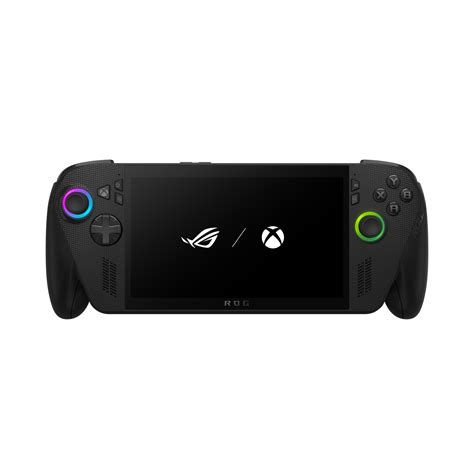
Out of the box I noticed the Ally X's solid heft: it's heavier than a Switch Lite but still comfortable in long sessions. The materials feel premium — a mix of textured matte plastics and a soft-touch back that helps keep the device stable during long play. The button layout leans toward Xbox fans: the ABXY size and spacing, offset thumbsticks, and wider triggers made me feel at home almost immediately. I appreciated the placement of the Xbox-style central button for quick access to the ecosystem overlays; that small convenience became something I used daily.
One immediate plus was the screen. The 7-inch display (the size I've become used to on handheld PCs) is bright, punchy, and sharp. I found colors pop in single-player games, and fast motion felt smooth thanks to the high refresh rate. The glass feels durable under daily use, and the bezels are compact enough that the device doesn't feel bulky despite the roomy display.
Performance: What I Actually Played and How It Held Up
Performance has been where the Ally X shines for me — especially in short bursts where TDP and thermal headroom are less limiting. I ran several modern titles, sometimes on native Windows builds, sometimes via Xbox Cloud Gaming, and sometimes through Steam streaming from my desktop. In native games the Ally X handled mid-to-high settings admirably for less demanding AAA titles and excelled at older, well-optimized games. For new, ultra-demanding titles I dialed settings down and still got playable frame rates.
Cloud gaming was a revelation on this device. Using Wi-Fi, I streamed a handful of games and noticed minimal input lag with a good connection; the onboard controls made cloud sessions feel like local play most of the time. I also used the Ally X to remote-play from my gaming PC with Steam and Xbox apps — setup was straightforward and the experience felt consistent.
Thermals are present and noticeable. Under longer native gaming sessions the unit warms up, particularly on the right half where the internal exhaust vents are located. It throttles if pushed for long stretches at the highest settings, which is predictable given the size and power envelope. If you plan marathon sessions I recommend using a dock or lowering power targets to keep performance steady.
Shop the latest Electronics picks on Amazon.
Shop Amazon →Controls, Haptics, and Ergonomics
Controls are one of the Ally X’s strong suits. The buttons have a satisfying click, triggers are responsive, and the thumbsticks have a nice balance of resistance without being stiff. I was especially pleased with the trigger feel during racing and shooter sessions — they convey enough feedback for precise input. The haptic feedback is subtle but effective for menus and low-intensity vibration; it’s not a full replacement for dedicated HD haptics on consoles, but it complements gameplay nicely.
My only complaint ergonomically is that the right-hand grip gets warmer during intense sessions, and that sometimes the grip curve doesn't feel perfect for people with very large hands. For me it was manageable, but I did notice hand fatigue creep in after four-hour sessions without breaks.
Battery Life: Real-World Numbers
Battery life varies dramatically with what you play. In my experience:
- Cloud streaming or lighter indie titles: around 3–4 hours
- Native AAA gaming at medium settings: 1.5–2.5 hours
- Standby and light media: up to a full day if used sparingly
I was hoping for longer native gaming runs, but the battery trade-off for portable performance is real. I learned to carry a USB-C power bank for travel, and I often lean on cloud streaming when I want long sessions away from a charger.
Software and Ecosystem
The Ally X runs a full PC OS environment (Windows-based), which is both empowering and occasionally frustrating. I loved having the flexibility to use the Xbox app, Steam, and other launchers; installing updates and managing libraries is straightforward. What I didn't love were occasional driver and update quirks that required a quick reboot or fiddling with settings. Nothing catastrophic, but those small hiccups are real — I had to update GPU drivers manually a couple of times to sort performance inconsistencies.
Xbox integration is genuinely useful: quick access to Game Pass, built-in streaming from your Xbox console, and a dedicated Xbox overlay make the experience cohesive. If you're embedded in the Xbox ecosystem, the Ally X feels like a natural extension of your account and library.
Audio and Display in Everyday Use
Speakers are louder and clearer than you'd expect from a handheld, with decent stereo separation. I still prefer using headphones for immersive titles, but the built-in audio handled voice chat and casual gaming very well. The display earns high marks from me: HDR support and vivid colors make single-player games pop, and 120Hz support kept fast-paced action feeling smooth. I did notice a little bloom in HDR scenes at the very highest brightness, but that was a minor gripe compared to the overall picture quality.
Find top-rated Electronics products at great prices.
View Offers →What I Liked — and What I Didn't
- Liked: Comfortable Xbox-inspired ergonomics; bright, high-refresh display; great cloud gaming experience; solid native performance for the device class; good speakers and haptics; excellent Xbox ecosystem integration.
- Didn't like: Battery life under heavy native loads; noticeable heat on the right side during long sessions; occasional driver/software updates that require manual fixes; heavier than some competing handhelds.
Pros & Cons
- Pros
- Excellent balance between native performance and cloud gaming capability
- Comfortable, Xbox-style controls that are intuitive if you’re used to Microsoft controllers
- Vivid 7-inch display with high refresh rate and solid color reproduction
- Built-in Xbox integration for easy access to Game Pass and console streaming
- Robust speakers and good haptic feedback for a handheld
- Cons
- Battery life is limited under native AAA loads
- Gets warm on long, intensive sessions and can throttle
- Heavier than some alternatives and can cause fatigue for very long sessions
- Some software/driver maintenance required to keep things running optimally
Comparison Table: Rog Xbox Ally X vs. Alternatives
| Feature | Rog Xbox Ally X | Typical Windows Handheld (e.g., ROG Ally) | Steam Deck (OLED or latest) |
|---|---|---|---|
| Primary Strength | Xbox integration + strong cloud gaming | Raw native Windows performance | Optimized handheld library + native SteamOS support |
| Controls | Xbox-style layout, comfortable for console players | Varies; often similar to PC controller layout | Steam-specific layout with trackpads |
| Display | Bright 7" high-refresh panel, vivid colors | High-refresh panels common, varies by model | Available OLED option with deep blacks |
| Battery Life (real-world) | 2–4 hours depending on use | 2–4 hours depending on model and settings | 3–6 hours for lighter use (varies) |
| Cloud Streaming | Excellent (native Xbox app & optimizations) | Works well via apps but integration varies | Good with Steam Link and third-party apps |
| Price Positioning | Premium for its ecosystem features | Varies; some models more expensive for higher specs | Competitive, often value-oriented |
Buying Guide: Who Should Consider the Ally X?
If you're considering the Ally X, here's how I'd think about it based on what I used it for:
Buy it if...
- You're heavily invested in Xbox and Game Pass. The integration saves time and simplifies access to your library.
- You value cloud gaming as much as native performance. I found it ideal when Game Pass titles are your main play source.
- You want an Xbox-like control feel in a portable device. If console ergonomics are important to you, the Ally X nails that.
- You want a high-quality handheld display and are willing to accept shorter native battery life for performance.
Consider alternatives if...
- You need very long native gaming battery life without relying on cloud services.
- You prefer Linux/SteamOS first: a Deck or SteamOS-native device gives a smoother out-of-the-box experience for that ecosystem.
- You will be doing marathon sessions on native PC games without a dock — the Ally X can thermally throttle over extended runs unless cooled or docked.
Accessories I Recommend (from my experience)
- A high-capacity USB-C power bank that supports USB-PD to extend play when traveling
- A small dock or stand for longer sessions at home to help with cooling and to connect to a TV or monitor
- A carry case with compartments for cables and a LAN adapter — wired connections improve cloud and streaming reliability
- Comfort grips or silicone covers if you plan very long handheld sessions and want extra comfort
Tips from My Months of Use
After living with the Ally X for months, here are practical tips I picked up:
- Use cloud streaming for extended play on the go to preserve battery and heat.
- Keep a small fan or stand when playing long native sessions to reduce thermal throttling.
- Check drivers after major Windows updates to avoid sudden performance changes.
- Turn on adaptive refresh when available — it balances smoothness and battery life.
- Use wired Ethernet via a USB-C adapter when streaming at home for the best stability.
Final Thoughts and Conclusion
In my experience, the Rog Xbox Ally X is the most compelling handheld I've used when you consider overall utility. It merges the flexibility of a Windows handheld with meaningful Xbox ecosystem perks, and it does so with a level of polish that makes daily use enjoyable. I was pleasantly surprised by the consistent cloud-streaming performance and how natural the Xbox-style controls felt. The screen, speakers, and haptics collectively make the device feel like a premium, well-thought-out companion for modern gaming habits.
That said, it's not perfect. If you want long, uninterrupted native AAA sessions unplugged, you'll find battery life and thermal throttling frustrating at times. There were also a few software updates early on that required me to intervene manually. None of these were dealbreakers for me, but they matter depending on how you plan to use the Ally X.
Overall, I can honestly say that after months with it, the Ally X has become my go-to when I want the flexibility of a portable device without leaving behind my Xbox library or the option to play PC titles. If that mix matches what you value, it's easy to see why everyone — myself included — has been excited about it.